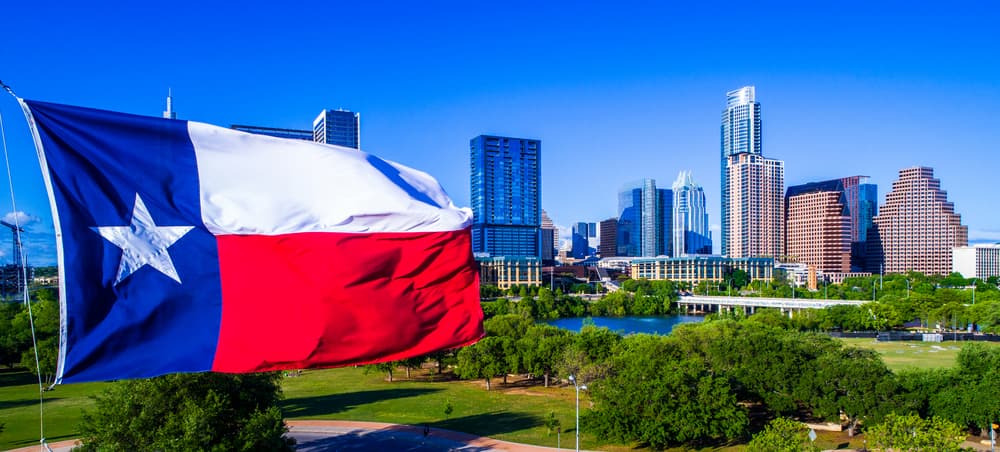
In recent years, the number of people moving to Austin, TX, has grown dramatically, and for good reason. With a unique blend of big-city excitement and small-town charm, Austin is a dynamic city with something to offer just about everyone.
Whether you consider yourself a fanatical foodie, an outdoor adventurer, or a lover of arts and culture, you can find many things to do, see, and experience in Austin. And if you’re thinking about making a move to the Texas capital city, there’s a lot to look forward to.
What to Know About Moving to Austin
- Located on the eastern edge of the Hill Country, Austin is an urban community in central Texas.
- For the past few decades, Austin has frequently appeared on lists of the best places to live in the U.S.
- Austin crossed 1 million residents in 2025 (1,002,632), making it the fourth-largest city in Texas and the 12th-largest in the U.S. (U.S. Census Bureau).
- The Austin metro reached 2,620,945 people in July 2025, up 2.1% in a single year (CityPopulation / U.S. Census).
Austin Job Market, Business, & Employment Opportunities
In Austin, the economy is thriving. The Austin metro added 7,500 jobs over the 12 months ending August 2026, and unemployment stood at 3.9%, with about 1.51 million people employed (Texas Workforce Commission data via Hoodline).
As a whole, Texas has consistently been considered a state with one of the nation’s most favorable business climates. This consideration is thanks to a competitive regulatory environment and low tax rates – so a long list of businesses, corporations, and national organizations are eager to set up shop here.
Austin is a hub for the tech industry, as well as a major home base for companies in semiconductors, biotechnology and pharmaceuticals. Hospitality is another growing sector, bringing in a wealth of job opportunities in retail, dining, and more.
Significant Employers in Austin
The major, significant employers in Austin include:
- Tesla (headquartered at Gigafactory Texas)
- Apple
- Dell Technologies
- Samsung
- IBM
- The State of Texas
- The University of Texas at Austin
- Austin Independent School District
- City of Austin
- The Federal Government
What It Costs to Live in Austin
Austin’s overall cost of living runs about 2.7% below the national average, with groceries, utilities and transportation all cheaper than the U.S. average and housing slightly higher.
See our full guide to the cost of living in Austin for a category-by-category budget, and our breakdown of the average rent in Austin, TX for rent by neighborhood, bedroom count and home type.
Neighborhoods & Places to Live in Austin
Austin is a growing city with notable diversity, so it makes sense that there are many different communities throughout the city. If you are looking for homes for rent in Austin, here are some of the top neighborhoods across the city limits.
Downtown Austin
When you’re in Downtown Austin, you’ll find yourself in the heart of the city’s art, music, dining, and nightlife scenes. You’ll also be near many of the city’s major employers, making for a conveniently short commute.
Rainey Street Historic District
The Rainey Street Historic District is a small pocket of early-1900s bungalows on the southeast edge of downtown Austin, near Lady Bird Lake.
Many of the historic homes have been converted into restaurants, bars, and performance spaces, making Rainey Street one of the city’s liveliest nightlife destinations.
Nearby Waller Beach at Town Lake Metropark is popular for riverfront picnicking, fishing, and kayaking, especially during the summer months.
Second Street District
In the heart of downtown, the Second Street District packs boutiques, restaurants, and coffee shops around Austin City Hall, just steps from Lady Bird Lake and the Austin Central Library.
The area is especially lively during SXSW each spring.
Red River Cultural District
Stretching along Red River Street on the east side of downtown, the Red River Cultural District is the heart of Austin’s live-music scene, home to legendary venues like Stubb’s, Mohawk and Empire.
It sits right next to Waterloo Park and its Moody Amphitheater, just south of the University of Texas campus.
The Warehouse District
This historic district is one of Austin’s largest and home to some of the city’s most popular nightlife destinations. Centered around Republic Square, there are plenty of great places to eat, drink, and dance.
You’ll find everything from dive bars to high-end cocktail lounges, craft breweries, and wine bars, plus a weekly farmers’ market at Republic Square. This area is filled with unique shops and art galleries.
Austin’s Warehouse District offers stylish condos and lofts converted from formerly gritty industrial and office buildings, for those who want to live in buildings with a fascinating history.
Hyde Park
Hyde Park is among Austin’s most beloved residential districts, with tree-lined streets, restored Victorian homes and bungalows, and a charmingly traditional ambiance.
Its central location makes it an excellent option for both young professionals and families, while its walk-friendly design makes it easy to get around on foot.
North Austin
North Austin has welcomed an influx of new residents in recent years, primarily due to the arrival of many mixed-use developments and major tech employers around The Domain.
It has an active nightlife scene, fantastic dining, and beautiful residential streets dotted with towering oak trees.
Less than 30 minutes north of Austin, Georgetown, TX, known for the “Most Beautiful Town Square in Texas,” is a perfect place for new residents looking to rent single-family homes.
North Loop
With a funky, friendly vibe and a location near the University of Texas campus, the North Loop area is home to families and college students alike.
The area is impressively pedestrian-friendly and very close to the city’s major freeways for a quick commute.
Here, you can browse the best vintage stores in Austin, indie coffee houses, record stores, and bookshops.
South Austin
South of Lady Bird Lake, South Austin is home to some of the city’s most diverse and eclectic neighborhoods.
With everything from trendy bars and quirky shops to modern apartment buildings and historic bungalows, offering residents various housing options.
South Austin is host to numerous landmark restaurants and boutiques. Residents enjoy the scenic Zilker Park, Zilker Botanical Garden, and the ever-refreshing Barton Springs Pool on the area’s west side.
South Congress
When many people think of Austin, they envision the postcard-worthy hot spots of South Congress.
Famous for its street art murals and eclectic personality, South Congress hosts some of Austin’s best shopping, eating, drinking, and nightlife.
Also known as “SoCo,” short for South Congress Avenue, this lively area is packed with local businesses, trendy shops, and unique eateries, with views of the Texas Capitol straight up the avenue.
Crestview
Developed largely in the 1950s and 1960s, Crestview retains a laid-back, small-town feel just north of central Austin.
Residents enjoy quiet, tree-shaded streets, a MetroRail station on the neighborhood’s edge, and easy access to the shops and restaurants along Burnet Road.
Look for a laid-back assortment of coffee shops and family-friendly eateries. Favorites include Top Notch Hamburgers, which you might recognize from the movie “Dazed and Confused.”
East Austin
Austin’s east side is growing quickly. In fact, it’s one of the fastest-developing areas in the entire city.
And while some parts of the neighborhood are still being built out, there are already plenty of options for residents looking to rent a home.
Located just east of downtown and I-35, East Austin is packed with restaurants, cafes, and coffeehouses.
However, residents say what makes East Austin unique is the neighborhood’s diversity and creative spirit, reflected in its colorful murals and local art.
East Cesar Chavez
You’ll find the East Cesar Chavez neighborhood just east of Downtown Austin.
This established East Austin neighborhood boasts beloved dive bars, family-owned restaurants, shops, and art galleries.
The neighborhood honors the labor activist of the same name and celebrates the rich heritage of the area’s Mexican American community.
The Tejano Walking Trail, a roughly five-mile route through East Austin, highlights 24 historic sites tied to the area’s Tejano heritage, including the Texas State Cemetery.
North Lamar
North Lamar is one of the most affordable areas in Austin. Stretching along North Lamar Boulevard in north-central Austin, it offers quick access to I-35 and US-183 and is close to major employers in North Austin and The Domain.
North Lamar is a diverse neighborhood where you’ll find everything from large apartment complexes to small houses, townhomes, and condos.
In addition to housing, there are many amenities, including schools, parks, grocery stores, and a wide range of international restaurants.
South Lamar
South Lamar is a fresh and inviting urbanite dream that blends the arts, fashion, and down-to-earth restaurants and bars.
There are newer gathering places opening often, and it’s just minutes from Zilker Park and Barton Creek.
This area attracts artists, musicians, professionals, and families with housing options like cozy bungalows, new apartment complexes, and condos.
Old West Austin
Also known as the Old West Austin Historic District, this neighborhood just west of downtown is one of Austin’s most established communities.
Known for tree-lined streets and historic early-20th-century homes, it’s old-fashioned charm attracts residents looking for peace and quiet close to the city.
Starting just west of Lamar Boulevard, the neighborhood offers easy access to Pease Park, the Mayfield Park and Preserve, and Lake Austin.
Pros of Moving to Austin
- Austin’s great job market: With a median household income of about $93,658, unemployment under 4%, and a steadily growing economy, Austin offers job seekers a diverse range of opportunities.
- A distinctly eclectic vibe: The city’s unofficial motto is “Keep Austin Weird,” the perfect way to describe Austin’s unique way of life. Austin is host to a creative, innovative, and dynamic population, making it one of the most original places to live in the U.S.
- A hub for live music and fabulous food: Known as the “Live Music Capital of the World,” Austin has hundreds of music venues and live shows nearly every night. And with a reputation for some of the best barbecue, tacos, and international cuisine in the state, Austin is also the perfect place for foodies.
- Austin’s metropolitan city with generous green space and scenery: In Austin, you can go from strolling down skyscraper-lined city streets to exploring scenic nature trails – and you won’t have to travel very far.
Cons of Moving to Austin
- Housing still costs more than elsewhere in Texas: Austin’s housing costs run slightly above the national average, even though rents and home prices have eased over the past year. The good news for newcomers is that renters now have more choices and more negotiating power than they did a few years ago.
- Summers in Austin can get hot: If you’re used to mild summers, it might take you a few years to get accustomed to the heat of an Austin summer. That being said, central air conditioning is a staple in just about every home and business, and the warm summers are offset by beautifully mild winters.
- Austin Traffic can be tricky: Because of the way Austin’s major freeways are set up, they can often get jammed with cars – especially during rush hour on I-35. Luckily, various public transportation options can help you avoid traffic backup.
What’s it Like to Live in Austin?
Weather
During fall, winter, and spring, Austinites are the envy of many other cities in the U.S. The mild weather and sunny climate make it an ideal location for anyone that appreciates the outdoors. Summers can get hot and humid, but significant weather events throughout the year are relatively rare.
Culture
The culture in Austin is decidedly local-centric, with an astoundingly diverse assortment of businesses and people. Austin is part of the UNESCO Creative Cities Network (as a City of Media), and its personality is both modern and bohemian, creating a unique place where just about anyone can feel right at home.
Shopping, Dining, and Entertainment
Famous for its barbecue and Tex Mex cuisine, Austin is a city that never runs out of new places to eat. You can go from a casual food truck breakfast to a hip lunch eatery, then make your way to an upscale restaurant for dinner. You can enjoy a great mix of local boutiques and major retailers in terms of shopping. For entertainment, there’s no question that Austin is a mecca for live music, with major festivals like SXSW and Austin City Limits. However, many kid-friendly activities, sports, and outdoor experiences also exist.
Education
Austin is served by the Austin Independent School District and several adjoining districts, including highly rated suburban districts like Eanes, Leander and Round Rock ISD. There are dozens of charter schools in Austin and more than 100 private school campuses.
For higher education, students can attend the University of Texas at Austin. There are also numerous smaller colleges and universities and career and technical schools.
Healthcare
Austin has many different healthcare facilities throughout the city. In addition to private practices, residents can seek care from systems such as St. David’s HealthCare, Ascension Seton and Baylor Scott & White, along with Dell Medical School at UT Austin.
Public Transportation
Public transit in Austin is run by CapMetro and includes local MetroBus routes, MetroRapid high-frequency buses, MetroExpress commuter buses, and the MetroRail commuter rail line serving downtown and North Austin. CapMetro uses fare capping, so frequent riders never overpay.
Also, rideshare services are plentiful throughout Austin. Many parts of the city are incredibly pedestrian-friendly, and bikes are also popular.
Moving to Austin FAQs
Is Austin a good place to move to in 2026?
Austin is considered a good place to live, with a strong job market (3.9% unemployment and 7,500 jobs added year over year as of August 2026), a median household income of about $93,658 and a cost of living about 2.7% below the national average.
How many people live in Austin?
The city of Austin has 1,002,632 residents (July 2025), making it the 12th-largest U.S. city. The metro area has about 2.62 million people.
What are the best areas to live near Austin?
Popular choice areas to live near Austin include Hyde Park, North Loop, Crestview and South Austin in the city, plus suburbs like Georgetown, Round Rock, Cedar Park and Dripping Springs.
Who are the biggest employers in Austin?
Major Austin employers include Tesla, Apple, Dell Technologies, Samsung, IBM, the State of Texas and the University of Texas at Austin.
- Cost of living in Austin – utilities, taxes, home prices and salary needed
- Average rent in Austin, TX – rent by bedroom, neighborhood and home type
- Austin vs. Houston
- Best suburbs of Austin, TX
- Best master-planned communities in Austin
Is Moving to Austin Worth It?
If you want a personality-packed city with a growing job market, a one-of-a-kind culture, and no shortage of things to do, ATX is the place for you.
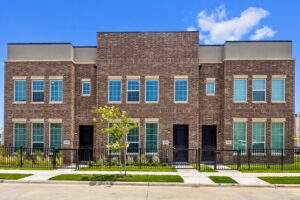
And with a wide variety of residential options, including build-to-rent communities, you can easily find the right home for you.
Explore Wan Bridge Homes for Rent in Austin
Austin can be an exceptional place to call home, and our Georgetown Heights community is the perfect neighborhood for Austinites in the making.
With a convenient location, spacious rental homes, and a long list of amenities, Georgetown Heights offers upscale living near one of the most desirable places to live in the U.S. For more information about our Austin homes for rent, contact us today!
Featured Image Credit: Roschetzky Photography / Shutterstock